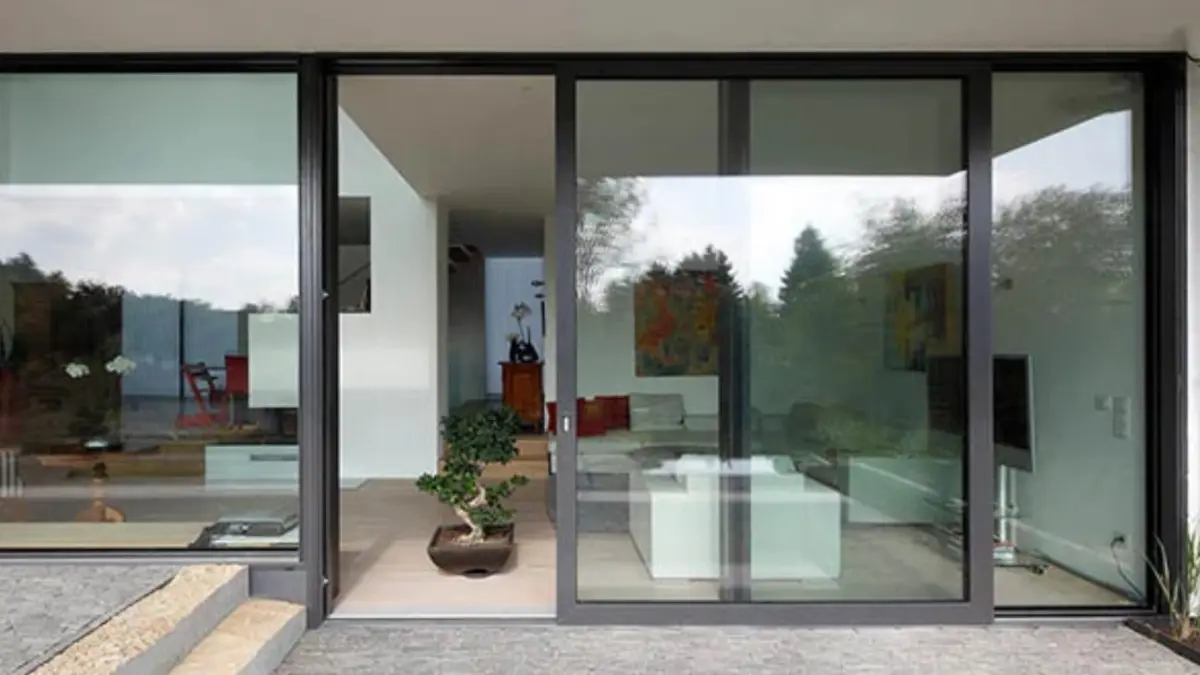
How salt air damages sliding doors in St. Augustine.
Living near the Atlantic is the dream. Your sliding door pays for it — here's the mechanism, and how to fight back.
Published Aug 25, 2026 · Updated Aug 25, 2026 · ~6 min read
How salt air attacks
Salt is hygroscopic — it pulls moisture from the humid Florida air and holds it against metal surfaces. That constant damp-salt contact corrodes the steel bearings and axles inside rollers, pits aluminum tracks, and works into lock mechanisms. It doesn't need direct spray; airborne salt settles across the whole coastal zone.
What fails first
- Rollers: bearings rust and seize — the number-one coastal failure.
- Tracks: aluminum pits and develops white corrosion.
- Locks: mortise mechanisms corrode and stop catching.
- Fasteners & hardware: screws and keepers rust.
Closer to the water, faster the wear
Homes in Vilano Beach, Anastasia Island, and the beaches see the fastest wear; a few miles inland it slows. But even central St. Augustine gets meaningful salt exposure.
How to slow it down
- Clean tracks and hardware regularly to remove settled salt.
- Rinse exposed hardware with fresh water periodically.
- Use a dry lubricant, not grease.
- Choose corrosion-resistant rollers and stainless track caps at repair time.
When it's already corroded
Once bearings seize or the track pits, cleaning can't reverse it — that's roller and track service. Fitting corrosion-resistant parts makes the next round last longer.