Blog · Maintenance
Why lubricating a sliding door doesn't always fix it.
Lubricant is the first thing everyone tries. Here's why it works for some doors and fails for others.
Published Aug 25, 2026 · Updated Aug 25, 2026 · ~4 min read
Short answer: Lubricant helps only when friction is the problem — a dry, clean track. It can't restore a worn roller bearing or smooth a pitted track, and thick grease actually traps sand and makes things worse. If lube stops helping quickly, the hardware needs service.
When lube helps
On a clean track with sound rollers that are just running a bit dry, a dry silicone or PTFE lubricant can restore a smooth glide. That's a legitimate fix — for that specific situation.
When it doesn't
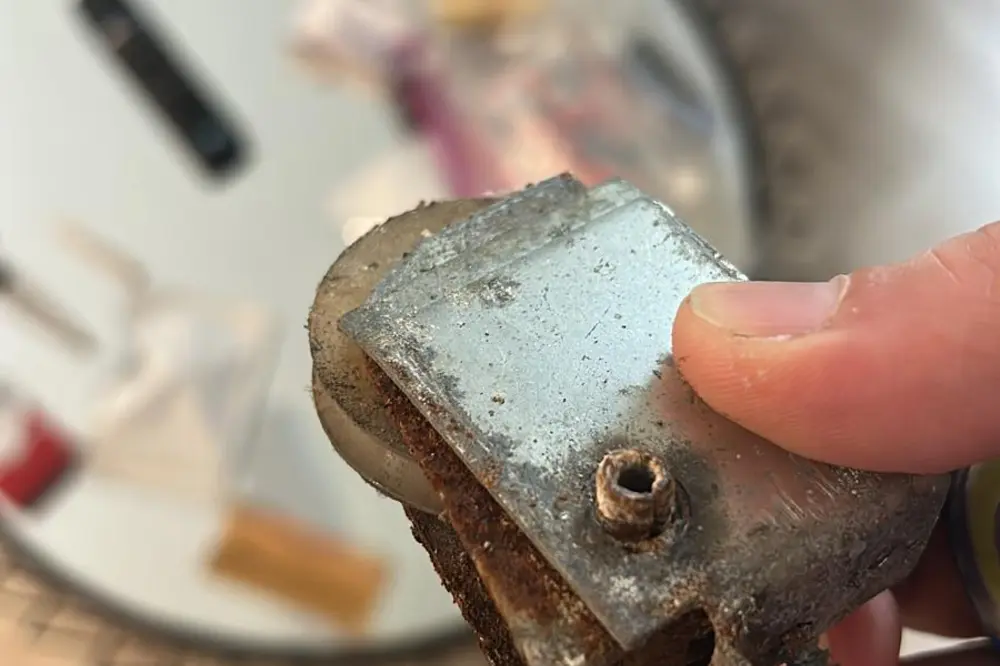
- The rollers are corroded, flat-spotted, or seized — lube can't rebuild a bearing.
- The track is pitted or bent — the surface, not friction, is the problem.
- You used oil or grease — it collects sand and grinds the parts down.
The grease trap
This is the big one in Florida: thick grease looks like it's helping, then binds with airborne sand into an abrasive paste that wears everything faster. Use a dry lubricant only.
The real fix
If lube keeps wearing off in days, stop chasing it — the rollers or track need service. See roller replacement and track repair.
FAQs
Questions homeowners ask first.
A dry silicone or PTFE spray. Avoid oil-based products and grease, which attract sand.
Because the real issue is worn rollers or a damaged track — lube only masked the symptom briefly.
Yes — excess, especially greasy products, collects grit and speeds up wear.